It’s more like the sound a doe makes when the arrowhead replaces the day with an answer to the rib’s hollowed hum. We saw it coming but kept walking through the hole in the garden. Because the leaves were bright green & the fire only a pink brushstroke in the distance. It’s not about the light—but how dark it makes you depending on where you stand. Depending on where you stand his name can appear like moonlight shredded in a dead dog’s fur. His name changed when touched by gravity. Gravity breaking our kneecaps just to show us the sky. We kept saying Yes— even with all those birds. Who would believe us now? My voice cracking like bones inside the radio. Silly me. I thought love was real & the body imaginary. But here we are—standing in the cold field, him calling for the girl. The girl beside him. Frosted grass snapping beneath her hooves.
Así que el miedo era esto. Una araña negra que se escabulle bajo las tablas de madera. Miro la gotita de sangre en mi piel y pienso, rápido; el último billete, el último pedazo de pan, un relámpago crepitando bajo la puerta. Duela o no, yo imagino que sí. Me acuerdo del murciélago que atrapamos en el sótano, cómo dio batalla entre escobazos, sin saber que íbamos a dejarlo ir. Me levanto para caminar, a ver si puedo. Así que el miedo era esto. Una puerta se abre en la penumbra las cortinas se mueven como si el viento tuviera huesos.
Mary Oliver, Primitiva Americana, trad. de N. Leiderman y P. Foglia, Ed. Caleta Olivia, 2024.
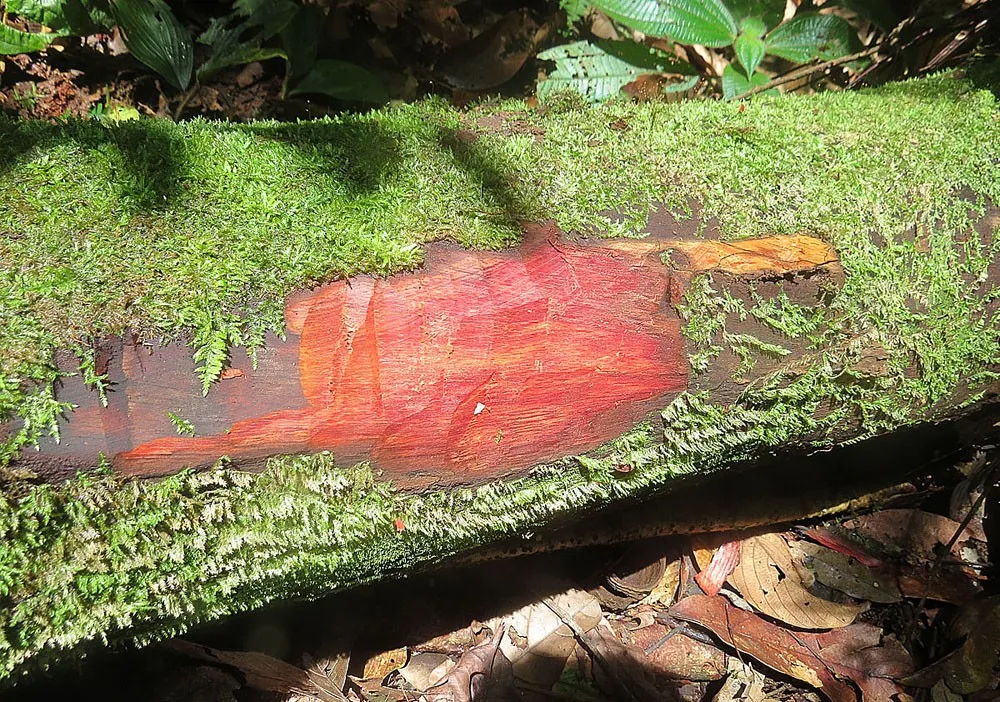
Photo By Dick Culbert , used under CC-BY-2.0 /Cropped and compressed from original
Voy hacia aquello que amo sin ningún pensamiento de deber o piedad;
Voy hacia donde pertenezco, inexorable, como la lluvia que no ha cesado de caer
hacia los surcos; he dado o podría haber dado
vida al grano; pero si éste no crece o madura
con la lluvia de la hermosura, la lluvia retornará a la nube,
quien cosecha afila su acero sobre piedra; pero éste no es nuestro campo,
no lo hemos sembrado; impiadosos, impiadosos, dejemos
el sitio de la calavera para aquellos que lo compusieron. …
Satisfechos, insatisfechos, saciados o entumecidos de hambre,
he aquí la urgencia eterna, la desesperación, el deseo de equilibrar
la variante eterna; tú percibes este llamado insistente,
esta demanda de un cierto instante, la vocación de gozar, de vivir,
no el mero afán de perdurar, la vocación de vuelo, de consecución,
la vocación de reposo tras un largo vuelo; pero ¿quién conoce la desesperada urgencia
de esos otros –verdaderos tal vez ahora míticos pájaros—que buscan, infructuosos, reposo
hasta que se desploman desde el punto más alto de la espiral o caen del centro mismo de un círculo cada vez más estrecho?
pues ellos recuerdan, recuerdan, al mecerse y revolotear lo que existió una vez –recuerdan, recuerdan—
ellos no se desviarán –han conocido la bienaventuranza el fruto que satisface –han retornado—
¿y si las islas se perdiesen? ¿si las aguas cubrieran las Hespérides? Mejor es que recuerden—
recuerden las manzanas doradas del árbol; Oh, no los compadezcas, mientras los ves caer uno por uno,
pues caen exhaustos, adormecidos, ciegos, pero en un cierto éxtasis,
pues de ellos es el hambre del Paraíso.
*Poemas incluidos en el libro Poemas de Helena en Egipto, Ediciones Angria-Caracas, Venezuela, 1992. Traducción: María Negroni y Sophie Black. ** Hilda Doolittle (1886-1961). Nació en Pennsylvania (Estados Unidos). Autora de diversos libros de poemas (Sea Garden (1916), Hymen (1921), Heliodora (1924), Red roses for Bronze (1931), Trilogía (1944-46), Helen in Egipto (1961), entre otros. También escribió prosa.
Buceando en la web encontré una bella version de un breve fragmento del largo poema Las auroras de otoño de Wallace Stevens y ahora comparto con ustedes.
LAS AURORAS DE OTOÑO; VI
Es un teatro que flota por las nubes, él mismo hecho de nubes, pero como de roca oculta por la niebla y de montañas que corren como el agua, de ola en ola,
por oleadas de luz. Hecho de nubes transformadas en nubes transformadas otra vez, ociosas, del modo en que el color de una estación varía sin otro fin
que la fastuosidad de sí misma en el cambio, así como la luz convierte el amarillo en oro y al oro lo reduce al deleite de sus ópalos básicos, de su fuego,
expandiéndose extensamente porque le place esa magnificencia y los placeres solemnes de los magníficos espacios. Las nubes van sin rumbo entre las formas no del todo vislumbradas.
El teatro está lleno de pájaros volando en bandadas salvajes que van desvaneciéndose, como el humo de un volcán, pupilas con la forma de palmeras,
la telaraña en un pasillo o un pórtico gigante. Tal vez un capitolio acaba de emerger o colapsar. El desenlace va a tener que posponerse…
Todo esto es nada hasta que no lo abarque un hombre solo, nada hasta que esta cosa nombrada pierda el nombre y se destruya. El estudioso de una vela
abre la puerta de su casa en llamas, mira la refulgencia ártica encendiéndose en el marco de todo lo que es. Y siente miedo.
THE AURORAS OF AUTUMN; VI // It is a theatre floating through the clouds, / Itself a cloud, although of misted rock / And mountains running like water, wave on wave, / Through waves of light. It is of cloud transformed / To cloud transformed again, idly, the way / A season changes color to no end, // Except the lavishing of itself in change, / As light changes yellow into gold and gold / To its opal elements and fire’s delight, // Splashed wide-wise because it likes magnificence / And the solemn pleasures of magnificent space / The cloud drifts idly through half-thought-of forms. // The theatre is filled with flying birds, / Wild wedges, as of a volcano’s smoke, palm-eyed / And vanishing, a web in a corridor / Or massive portico. A capitol, / It may be, is emerging or has just / Collapsed. The denouement has to be postponed… / This is nothing until in a single man contained, / Nothing until this named thing nameless is / And is destroyed. He opens the door of his house // On flames. The scholar of one candle sees / An Arctic effulgence flaring on the frame / Of everything he is. And he feels afraid.
Los tulipanes son muy sensibles, es invierno aquí. Mira qué blanco está todo, qué quieto, qué nevado. Aprendo a estar en calma, yaciendo sola e inmóvil Como la luz sobre las paredes blancas, esta cama, estas manos. No soy nadie, no tengo nada que ver con estallidos. Les di mi nombre y mi ropa a las enfermeras, Mi historia al anestesista y mi cuerpo a los cirujanos.
Han puesto mi cabeza entre la almohada y el rebozo de la sábana Como un ojo entre dos párpados que nunca van a cerrarse. Alumna estúpida, no puede sino tragárselo todo. Las enfermeras van y vienen, no me molestan, Van y vienen como las gaviotas, con sus cofias blancas, Haciendo cosas con las manos, todas iguales, De manera que es imposible saber cuántas hay.
Mi cuerpo es un guijarro para ellas, lo atienden como el agua Atiende a los guijarros por sobre los que pasa, puliéndolos suavemente. Ellas me traen sopor en sus agujas brillantes, me traen el sueño. Ahora que yo misma me he perdido, estoy harta de equipajes. Mi maletín de cuero para la noche como una negra caja de remedios, Mi esposo y mi hija sonriéndome desde una fotografía; Sus sonrisas se meten bajo mi piel, pequeños anzuelos sonrientes.
Dejé que las cosas se deslizaran, soy una balsa de treinta años Obstinadamente aferrada a mi nombre y dirección. Han borrado mis asociaciones amorosas. Asustada y desnuda en la camilla tapizada con plástico verde Veía mi juego de té, mis armarios de ropa blanca, mis libros, Hundirse y desaparecer, y el agua cubrió mi cabeza. Ahora soy una monja, nunca fui tan pura.
No quería flores, quería solamente Yacer con mis manos hacia arriba y sentirme totalmente vacía. Qué libre es una, no tienes idea hasta qué punto—
La paz es tan grande que te deslumbra, No pide nada, una placa con tu nombre, algunas chucherías. Es a lo que se aferran finalmente los muertos, me los imagino Cerrando sus bocas sobre eso, como si fuera una hostia.
Para empezar, los tulipanes son muy rojos, me lastiman, Inclusive en su papel de seda podía oírlos respirar Ligeramente, a través de sus envoltorios blancos, como a un horrible bebé. Sus pétalos encarnados le hablan a mi herida, y ella les corresponde. Son sutiles; parecen flotar, pero me hunden, Perturbándome con sus súbitas lenguas y su color, Una docena de pesadas plomadas alrededor de mi cuello.
Nadie me observaba antes, ahora me siento observada, Los tulipanes me miran, y también la ventana Donde una vez al día un rayo de luz lentamente crece y decrece, Y me veo a mí misma, chata, ridícula, una sombra recortada en un papel, Entre el ojo del sol y los ojos de los tulipanes. Y no tengo apariencia, he querido desaparecer. Los vívidos tulipanes me devoran el oxígeno.
Antes que ellos llegaran el aire era lo suficientemente calmo, Entrando y saliendo con mi aliento, sin agitación. Luego los tulipanes lo volvieron vibrante como un fuerte ruido. Ahora el aire choca y se arremolina alrededor de ellos, como un río Choca y se arremolina alrededor de un barco hundido, oxidado y rojo. Atraen mi atención, que era feliz Jugando y descansando sin comprometerse con nada.
También las paredes parecen estar entibiándose. Los tulipanes deberían estar enjaulados como animales peligrosos; Están abriéndose como la boca de una terrible pantera, Y soy consciente de mi corazón: él abre y cierra El cáliz de su roja flor sólo por amor a mí. El agua que pruebo es tibia y salada como el mar, Y viene de comarcas tan lejanas como la salud.
Sylvia Plath, Obra reunida, traducido por M.J.Ruschi Crespo, Centro Editor de América Latina, 1988.
Ayer tuve la oportunidad de ver el hermoso film de Jim Jarmush Paterson. Les dejo una secuencia de los poemas de Ron Padgett incluidos en el film.
Love Poem
We have plenty of matches in our house
We keep them on hand always
Currently our favourite brand
Is Ohio Blue Tip
Though we used to prefer Diamond Brand
That was before we discovered
Ohio Blue Tip matches
They are excellently packaged
Sturdy little boxes
With dark and light blue and white labels
With words lettered
In the shape of a megaphone
As if to say even louder to the world
Here is the most beautiful match in the world
It’s one-and-a-half-inch soft pine stem
Capped by a grainy dark purple head
So sober and furious and stubbornly ready
To burst into flame
Lighting, perhaps the cigarette of the woman you love
For the first time
And it was never really the same after that
All this will we give you
That is what you gave me
I become the cigarette and you the match
Or I the match and you the cigarette
Blazing with kisses that smoulder towards heaven
Another One
When you’re a child you learn there are three dimensions
Height, width and depth
Like a shoebox
Then later you hear there’s a fourth dimension
Time
Hmm
Then some say there can be five, six, seven…
I knock off work
Have a beer at the bar
I look down at the glass and feel glad
Poem
I’m in the house
It’s nice out
Warm
Sun on cold snow
First day of spring
Or last day of winter
My legs run up the stairs
And out the door
My top half here writing
Encontré una charla en el marco del ciclo Poetry Off the Shelf, donde el poeta lee los poemas de la película y conversa sobre su proceso de creación. Para escuchar el audio hacer clic acá.
Dejo acá un breve fragmento del genial libro de este poeta americano «Autorretrato en espejo convexo» del año 1984, poeta que falleció unos días atrás.
Autorretrato en espejo convexo
(…)
El Papa Clemente y su corte se quedaron «estupefactos»,
según Vasari, y le prometieron un encargo
que nunca se materializó. El alma ha de permanecer donde està,
aunque se inquiete, oyendo gotas de lluvia en el cristal,
el suspirar de las hojas de otoño azotadas por el viento,
anhelando estar libre, fuera, pero debe quedarse
posando en este sitio. Debe moverse
lo menos posible. Esto es lo que dice el retarto.
Pero hay en esa mirada fija una combinación
de ternura, diversión y pesar, tan poderosa
en su contención que uno no puede mirar mucho tiempo.
El secreto es demasiado evidente. Escuece su piedad,
hace brotar lágrimas calientes: que el alma no es alma,
no tiene secreto, es pequeña, y encaja
en su hueco perfectamente; su habitación, nuestro momento de atención.
Esa es la melodía pero no hay letra.
La letra es sólo especulación
(del latín speculum, espejo):
busca el significado de la música sin poder hallarlo.
(…)
Ashebery J., Autorretrato en espejo convexo, trad. Javier Marías, Colección Visor de Poesía, Madrid, 2006.



 Ventana lateral